Buying a Used Car and Transferring a Vehicle Title in New Jersey
Posted Tuesday, Feb 10, 2026
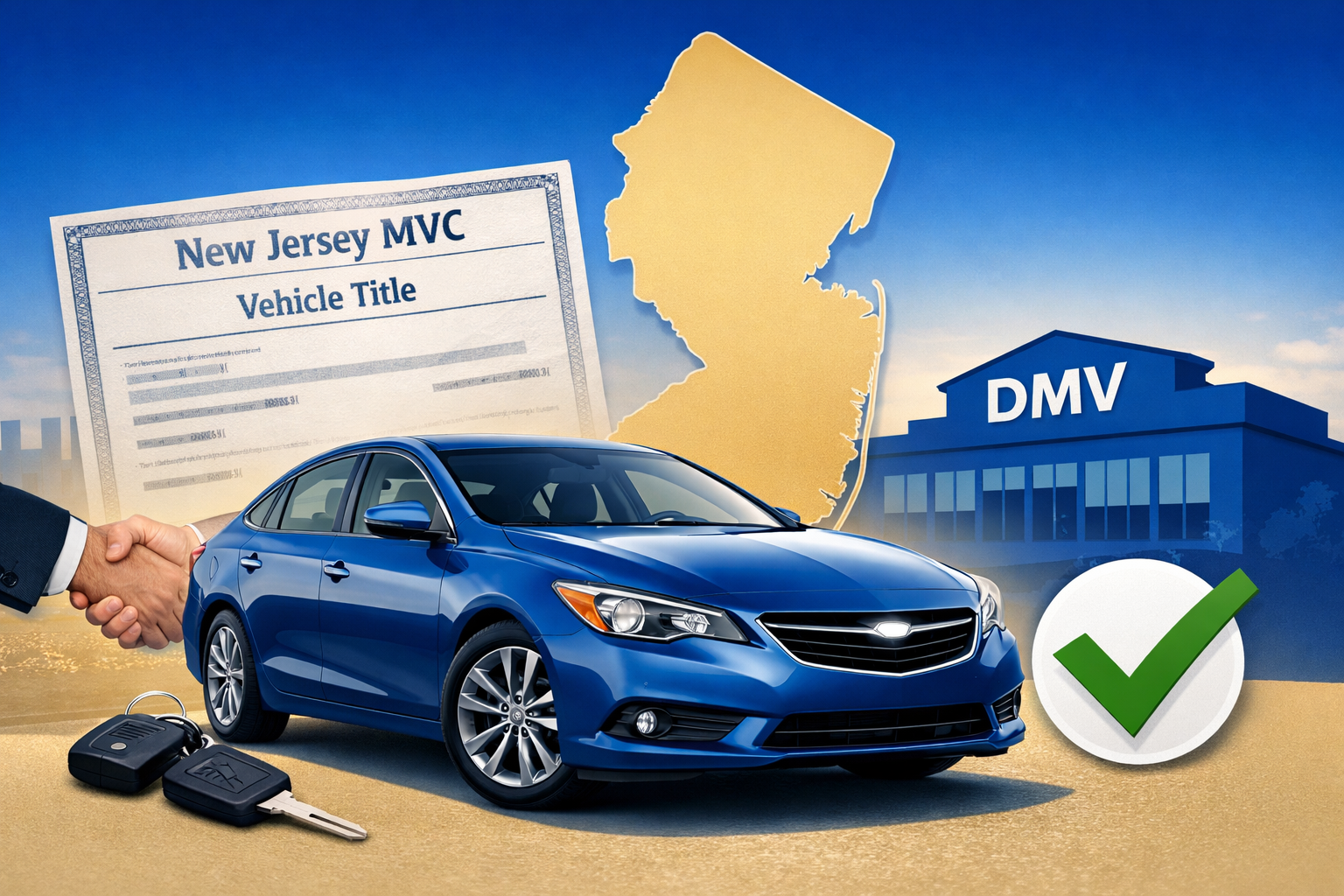
Buying a used car in New Jersey requires understanding the title transfer process, sales tax obligations, fees and registration requirements enforced by the New Jersey Motor Vehicle Commission (MVC). Whether you purchase from a dealership or a private seller, this guide explains how to transfer ownership, pay taxes and fees, and get your vehicle registered and titled in NJ.
What is the vehicle title and why is a title transfer important in NJ?
The vehicle title (car title) is the legal document proving vehicle ownership. When you purchase a used car in New Jersey—whether a car in NJ from a dealership or a car from a private seller—you must complete the title transfer so the new title in New Jersey lists the buyer. The title transfer process protects buyer and seller and is necessary to register the vehicle and obtain new license plates or a new license.
Without a completed title transfer, you cannot fully register your vehicle with the NJ MVC or obtain a new title in your name. If there is a lien on the vehicle, the lienholder’s information must be on the title. Transferring a vehicle without resolving outstanding liens or completing the back of the title correctly can delay the transfer and cause legal headaches.
How do I transfer a car title in New Jersey after purchasing a used car?
To transfer the title in New Jersey, both buyer and seller must complete the required sections on the vehicle title document, including odometer reading, date of sale, purchase price and signatures. If the vehicle is from a private seller, include a bill of sale to document the vehicle sale and purchase price. The buyer will bring the signed title, bill of sale, identification number and payment for taxes and fees to the NJ MVC to complete the transfer and register the vehicle.
The transfer and registration process may require additional documents like proof of car insurance, a lien release if applicable, and, for out-of-state titles, the previous state’s title or a duplicate title. Some buyers choose to use their dealer to handle title transfer and registration, while private sales require you to register the vehicle and transfer the title at an MVC agency.
What taxes and fees will I need to pay when buying a used car in NJ?
When you purchase a used car in New Jersey you typically need to pay sales tax (vehicle sales tax) based on the purchase price or the state’s assessed value. New Jersey charges sales tax on vehicle sales unless the transaction is exempt from sales tax (for example, some family transfers or gifts). The amount you need to pay can include a title fee, title transfer fee, registration fee and possible transfer fee for license plates.
Other fees and taxes may include a vehicle registration fee, tonnage or weight-based fees, and fees for new license plates or a new license. If you're transferring ownership of a vehicle with a lien, additional processing fees or documentation may apply. Keep a record of the total taxes and fees at the time of purchase so you can complete the transfer and registration at the NJ MVC without surprises.
How is New Jersey car sales tax calculated for used cars and when is it due?
New Jersey car sales tax is calculated on the purchase price of the vehicle or on the vehicle’s book value if the state believes the purchase price is below fair market value. The buyer is generally responsible for paying the vehicle sales tax at the time of title transfer and vehicle registration at the NJ MVC. The NJ MVC will require payment of sales tax before issuing a new title and registering the vehicle.
There are instances where you may be exempt from sales tax—such as some family transfers, transfers between spouses, or certain gift situations—so check the New Jersey state guidelines. If you purchase a car from an out-of-state dealer or private seller, you still need to register and pay any applicable NJ sales tax when you title the vehicle in New Jersey.
What documents do I need to bring to the NJ MVC to register and title the vehicle?
To title and register the vehicle at an NJ MVC location, bring the signed vehicle title with completion on the back of the title, a bill of sale with the purchase price and date of the sale, proof of identity (driver’s license), proof of insurance, and payment for sales tax and registration fees. If the vehicle has a lien, bring the lien release or lienholder information listed on the title. For out-of-state vehicles, provide the out-of-state title or duplicate title and the vehicle identification number (VIN).
Other helpful items include the odometer reading at the time of sale, proof of address if different from your ID, and a completed application for title and registration if required. Use the NJ MVC checklist to ensure you have the right forms so you can transfer ownership and obtain new license plates or transfer existing plates without delays.
What is the NJ title transfer process for vehicles purchased from a dealership versus a private seller?
When you buy a used car from a dealership, the dealership often handles the title transfer and registration process, including collecting sales tax and fees and submitting the paperwork to the New Jersey Motor Vehicle Commission. The dealership may issue temporary registration and arrange to get the new title and plates in your name. This is often more convenient and reduces the paperwork burden on the buyer.
If you buy a car from a private seller, the buyer and seller must complete the transfer on the back of the car title and the buyer must take the title, bill of sale and other documents to the NJ MVC to transfer and register the vehicle. Buyers purchasing a vehicle from a private seller should confirm there are no outstanding liens and that the title is a clean NJ title or obtain a duplicate title if necessary prior to completing the sale.
How do I handle a vehicle with a lien when transferring title in NJ?
If the vehicle has a lien, the lienholder (lender) must be listed on the vehicle title in New Jersey. When buying a used car with a lien, ensure the lien is satisfied and a lien release is provided, or work with the dealership to handle payoff as part of the sale. The NJ MVC will not issue a clean title without proper lien documentation or a lien release from the lender.
For transferring ownership, the lienholder’s information must remain on the title until the lien is paid off and a lien release is obtained. If you are financing the purchase, the finance company will typically hold the title until the loan is paid, and the title will list the lienholder in New Jersey until payoff. Always verify lien status before finalizing the vehicle sale to avoid liens transferring with the car.
What if the title is lost or I need a duplicate title in New Jersey?
If the car title in New Jersey is lost, the owner must apply for a duplicate title through the NJ MVC. To request a duplicate title, submit the appropriate application form, identification, and a fee for a duplicate title. The process is necessary to complete a sale or transfer, as you cannot transfer ownership without a valid title or an issued duplicate title.
For out-of-state titles, you may need to contact the previous state’s motor vehicle agency to obtain a duplicate title before you can complete the New Jersey title transfer. If a private seller cannot produce a title, proceed with caution—do not complete payment until a clear title or duplicate title is issued to avoid potential vehicle ownership problems.
How do I register my vehicle and get license plates after transferring the title?
After transferring the title, register your vehicle with the NJ MVC by submitting the title, proof of insurance, identification, and payment for registration fees and any title transfer fee. You can choose to transfer existing license plates to the new vehicle or obtain new license plates and a new license if required. The MVC will issue registration documents and license plates at the time of processing, depending on your selected services.
Registration fee amounts vary by vehicle type, weight and registration period. Keep the vehicle registration card in the vehicle and ensure your car insurance coverage meets New Jersey minimums before registering. If you are moving to New Jersey with an out-of-state vehicle, you must title and register the vehicle within the required timeframe to avoid penalties.
Are there special steps for out-of-state vehicles or buyers moving to New Jersey?
If you bring a vehicle from out-of-state into New Jersey, you must complete a title transfer and vehicle registration with the NJ MVC within the state’s required timeframe. Bring the out-of-state title, the vehicle identification number verification if requested, proof of insurance, and payment for taxes and fees. You will be subject to New Jersey car sales tax if applicable when titling the vehicle in NJ.
For new residents who buy a new vehicle out-of-state or move with an existing vehicle, check whether a VIN inspection or additional documentation is required. Some out-of-state transfers need extra verification before the New Jersey MVC will issue a new title and vehicle registration. Use the NJ MVC website to confirm exact requirements and prepare for the transfer of ownership.
What should buyers pay attention to when buying a used car from a private seller in NJ?
When purchasing a used car in New Jersey from a private seller, verify the car title in New Jersey is clear of liens, confirm the VIN matches the title, and record the odometer reading on the back of the title at the date of sale. Prepare a bill of sale that includes buyer and seller information, purchase price and date of the sale to document the transaction for tax and title transfer purposes.
Buyers should also check the vehicle history report, inspect the vehicle thoroughly, and consider a mechanic’s inspection to avoid surprises. Understand the taxes and fees you need to pay when transferring the title and registering the vehicle at the NJ MVC. If unsure, request assistance from the MVC or consult a dealership—used car dealers often provide guidance on the title transfer process and fees.
What can cause delays in the title transfer process, and how can I avoid them?
Common delays include incomplete or incorrect information on the title, unresolved liens, missing bill of sale or proof of insurance, and discrepancies in VIN or odometer readings. To avoid delays, double-check that both buyer and seller complete the back of the title accurately, bring all required documents to the MVC, and ensure all fees and taxes are calculated and ready to pay. If the title is an out-of-state title, confirm whether a VIN inspection or additional paperwork is necessary prior to visiting the NJ MVC.
Using a dealership can simplify the transfer process because many dealerships submit paperwork and tax payments on your behalf. However, whether buying from a dealership or private seller, confirm that you receive documentation proving the transfer—such as a temporary registration or receipt—while the MVC processes the new title and registration.
How do I complete the ownership transfer and what are typical title and registration fees?
To complete ownership transfer in New Jersey, submit the signed title, completed bill of sale, proof of insurance, identification and payment for the title fee and registration fee to the NJ MVC. The title fee and title transfer fee vary by transaction type; typical fees include title fee, title transfer fee and registration fee. Keep copies of all documentation including odometer reading and date of the sale for your records.
Fees and taxes differ for private sales, dealer sales and out-of-state transfers. Always check the current NJ MVC fee schedule for the most accurate amounts. If financing, coordinate with your lender to understand how the title listing will show the lienholder and how the title will be issued after loan payoff. Proper preparation for fees and taxes ensures a smooth transfer and title in New Jersey.
What are the steps after title transfer to maintain legal vehicle ownership in NJ?
After the title transfer and registration, maintain active car insurance that meets New Jersey minimum coverage requirements, keep the vehicle registration card and license plates current, and renew registration and inspection on schedule. If you move or change your name, update the title and registration with the NJ MVC promptly to avoid penalties or complications in future transfers or resale of the vehicle.
Retain all documents from the purchase—bill of sale, title transfer receipts, proof of tax payment and any lien release—for future reference. If you plan to sell the vehicle later, having clear documentation simplifies the transfer of ownership to the next buyer and helps ensure the car title in New Jersey can be transferred without problems.
What resources can help me navigate the NJ title transfer and registration process?
The New Jersey Motor Vehicle Commission (NJ MVC) website offers forms, fee schedules and detailed guidance to help buyers and sellers complete the title transfer, registration and pay vehicle sales tax. Use the MVC online services and checklists to confirm required documents, acceptable identification and any temporary requirements for out-of-state transfers or duplicate titles.
You can also consult your dealership when buying a used car—dealerships often handle title and registration processes and provide temporary registration and guidance about taxes and fees. If buying privately, consider contacting the NJ MVC or visiting a local MVC agency for clarification to ensure the vehicle ownership transfer is completed correctly and promptly.
Conclusion
Transferring a vehicle title and handling taxes and fees when purchasing a used car in New Jersey involves careful attention to documentation, payment of vehicle sales tax, and following the NJ MVC title transfer process. Whether buying from a used car dealership or a private seller, make sure the title is complete, liens are addressed, and you have the bill of sale, odometer reading and identification ready for the MVC. Proper preparation reduces delays and ensures your vehicle title in New Jersey and registration are handled correctly.
For buyers researching pre-owned vehicles, understanding title and registration requirements, sales tax obligations and fees and taxes will make buying a used car in NJ smoother. If you need assistance, local licensed dealers can streamline the transfer process and provide support on vehicle finance and title paperwork.
Rev Auto Wholesalers, a Used Car Dealership in Paterson, NJ, can assist buyers with title transfer, used car finance and paperwork. If you are looking for used car dealers or a trusted used car dealership with Used cars for sale and financing options, Rev Auto Wholesalers can help manage the title transfer, registration and taxes and fees so you can confidently purchase a vehicle in New Jersey.