Buy Your First Car: A Beginner’s Guide for First-Time Car Buyers
Posted Tuesday, Jul 07, 2026
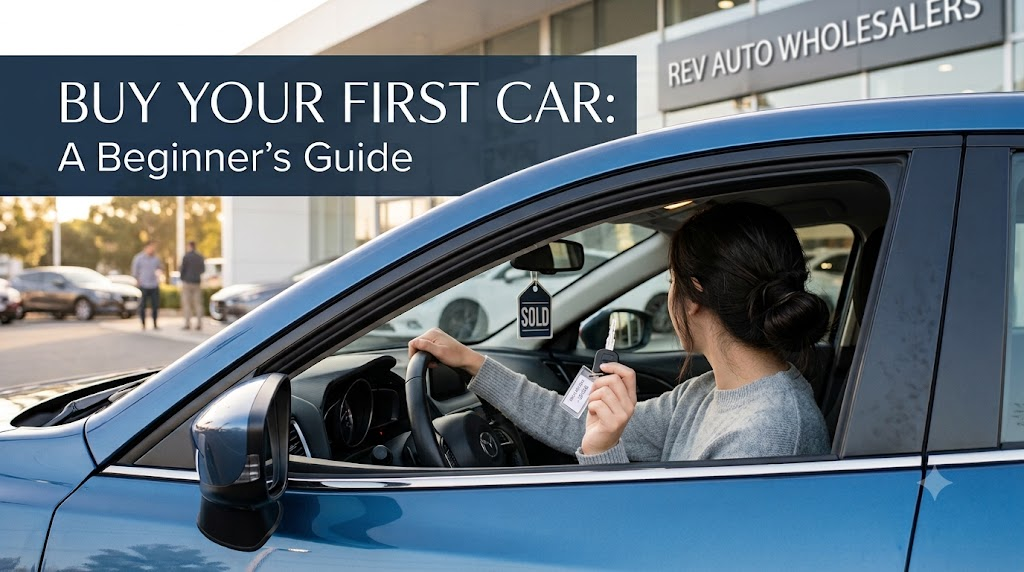
Buying your first car is a major milestone. Whether you’re a first-time car buyer in Paterson, NJ, looking to buy a used car or considering a new car, understanding the car-buying process, financing options, and what to expect at a dealership can save you time and money. This beginner’s guide to buying your first car in Paterson, NJ covers everything from setting a budget and checking your credit score to test drive tips and where to find reliable used cars for sale.
What should a first-time car buyer know about used car vs new car choices?
Deciding whether to buy new or used is one of the first big choices a buyer faces. New vehicle purchases come with manufacturer warranties, the latest safety features, and predictable car ownership costs early on, but they also cost more up front and depreciate quickly. For many first-time car buyers, a certified pre-owned used car offers a middle ground: lower price, limited warranty, and improved reliability compared to older used vehicles.
When shopping for a car, compare the total cost of car ownership, not just the sticker price. Consider car maintenance, insurance, registration, and potential repairs. If you need a lower monthly payment and want to reduce depreciation risk, buy a used car or certified pre-owned model. If you prefer the newest tech and can afford higher monthly car or car loan payments, buying a new car might be right for you.
How does my credit score affect financing options and auto loan rates?
Your credit score and credit history play a crucial role in securing an affordable car loan. Lenders—whether banks, credit unions, or used car dealership financing providers—use your credit score to determine your interest rate and loan terms. First-time buyers with limited credit history may face higher interest rates, which can increase both the monthly payment and the overall cost of the vehicle.
Before purchasing a car, it’s important to check your credit score and dispute any errors you may find. You can also consider improving your credit or using a co-signer to qualify for better interest rates. Additionally, compare multiple financing options, such as direct auto loans from banks or credit unions versus dealership financing, to find the best deal.
Getting pre-approved for a loan can help you understand how much you can afford and strengthen your negotiating position when you’re ready to buy a car.
What financing option is best for a first-time buyer: dealer, bank, or credit union?
First-time car buyers should compare financing options. Dealership financing can be convenient and sometimes offers promotional rates on new cars, but it’s essential to read the fine print for markups or add-ons. Banks and credit unions often provide lower interest rates for auto loans, especially if you have an established relationship or better credit.
Get pre-approved from a bank or credit union to establish a realistic budget and monthly car payment target. Then, take that pre-approval to the dealership when you’re ready to purchase. This strategy helps you avoid unnecessary upsells and keeps negotiations focused on the price of the car rather than financing terms alone.
How do I set a realistic budget for my first car purchase?
Budgeting for your first car involves more than the sale price. Calculate a comfortable monthly payment based on your income and expenses, and factor in insurance, fuel, routine car maintenance, and unexpected repairs. Many experts recommend that the total monthly car payment should not exceed 10–15% of your take-home pay to avoid strain on finances.
Prepare a car-buying checklist that includes your planned down payment, preferred monthly budget, loan duration, and target price range for both new and used vehicles. If you’re leaning toward used cars for sale, allocate funds for a pre-purchase inspection to avoid unforeseen repair costs. Having a clear budget helps you make informed decisions when you go see the car.
How can a first-time buyer research and choose the right car or kind of car?
Choosing your first car starts with identifying your needs: commuting distance, passenger space, fuel economy, and cargo capacity. Compact car models are often popular for first-time car buyers due to lower cost, better fuel efficiency, and easier parking. Make a list of “must-have” features versus “nice-to-have” features to narrow options between new and used vehicles.
Use online resources to research reliability, common issues, and the history of the car models you’re considering. Look for certified pre-owned listings if you want added assurance. When you find likely candidates, go see the car, request a vehicle history report, and schedule an inspection before you buy to get to know the car and its maintenance history.
What are the essential things to check during a test drive and a pre-purchase car inspection?
A proper test drive is essential to fully understand a car’s condition and performance. During the test drive, pay attention to acceleration, braking, steering responsiveness, and cabin noise. Bring a checklist that includes items such as dashboard warning lights, wheel alignment, unusual vibrations, and seat comfort—this will help you identify issues that a casual drive might miss. If you’re buying a used car, always request a pre-purchase inspection from a trusted mechanic.
In addition, inspect the vehicle under the hood for leaks, rust, or signs of poor maintenance. Review the vehicle’s history for any accidents or title issues. A thorough inspection before purchase can reveal potential repairs that may affect the car’s price or help you avoid a risky used car purchase altogether.
What are the best tips for first-time car buyers when negotiating at a dealership?
Negotiating plays an important role when purchasing a car. Understanding how to approach pricing discussions can help you secure a better deal and avoid overpaying. Start by researching the market value of the car you want, including both private party and dealer prices. Be prepared to walk away, and avoid getting distracted by monthly payment offers that may hide a higher overall cost. Focus your negotiations on the total price of the car first, then discuss financing and trade-in options separately.
Use pre-approval offers to negotiate better financing terms at the dealership, and always ask for a detailed breakdown of all fees. If you’re buying a used car, negotiate based on inspection results or the vehicle’s history. You may also consider certified pre-owned options if you want warranty protection. While these vehicles may offer less room for price negotiation, they provide added peace of mind—especially for first-time buyers.
Should I consider first-time car buyer programs or incentives?
Many dealerships and manufacturers offer first-time car buyer programs, incentives, or special financing to help new buyers get on the road. These programs can include reduced down payment requirements, lower interest rates, or educational resources for car ownership. Ask the dealership about available programs when you’re ready to buy a car.
Compare any program terms with offers from banks or credit unions. Some incentives might require you to finance through the dealership to qualify, so weigh the benefits against possible higher interest rates. If available, first-time car buyer programs can make the first car purchase more accessible, especially if you have limited credit history.
How do I decide between buying from a dealership and a private seller?
Buying from a dealership often provides consumer protections, certified pre-owned options, and the convenience of financing and service departments. Dealerships sell both new and used vehicles and can be a safer choice for first-time buyers who want a warranty or return policy. However, prices at dealerships may be higher than private sales.
Buying from a private seller can yield lower prices, but it carries more risk—no warranty and less recourse if the car has undisclosed problems. If you buy from a private seller, insist on a vehicle history report and a professional inspection before you purchase. Weigh the pros and cons of each route based on your budget, confidence in negotiating, and need for post-sale support.
What additional expenses come with owning a car for the first time after purchase?
After purchasing your first car, plan for ongoing costs like monthly car payments, insurance premiums, routine car maintenance, gas, and unexpected repairs. Budget for regular servicing and timely maintenance to extend the life of your vehicle—especially important when buying used. Maintaining a good service record also helps when you decide to sell or trade in the car.
Consider setting aside an emergency fund for repairs and exploring extended warranties or service contracts if you’re worried about repair costs. Keeping up with maintenance not only preserves the value of your car but helps avoid larger expenses down the road, making car ownership smoother and less stressful for first-time buyers.
How do I finalize the car purchase and prepare for ownership?
When you’re ready to buy the car, review all paperwork carefully: sales contract, itemized fees, financing terms, and warranty details. Confirm the purchase price, the interest rate on the car loan, the monthly payment amount, and the loan term. Ensure the title is clear and properly transferred if purchasing a used vehicle, and get copies of maintenance records when available.
After the purchase, register the vehicle, obtain insurance, and keep records of the sale and loan documents. Plan for immediate needs like basic supplies and scheduling your first routine maintenance. With the right preparation—from financing options to inspection before you buy—you’ll be well on your way to confident car ownership as a first-time car buyer.
Conclusion
This beginner’s guide to buying your first car in Paterson, NJ has covered the key questions every first-time buyer should consider, including whether to buy new or used, financing options, the impact of credit scores, test drive checklists, pre-purchase inspections, and negotiation strategies at a dealership. By using these tips, you can make informed decisions, manage your budget effectively, and find the right car to suit your needs.
When you’re ready to purchase your first car, consider exploring local options and trusted used car dealers. If you’re looking for reliable used cars for sale in Paterson, NJ, visit Rev Auto Wholesalers, a trusted used car dealership in Paterson. Their team can help first-time buyers find quality vehicles, guide you through financing options, and match you with cars that fit your budget and preferences.